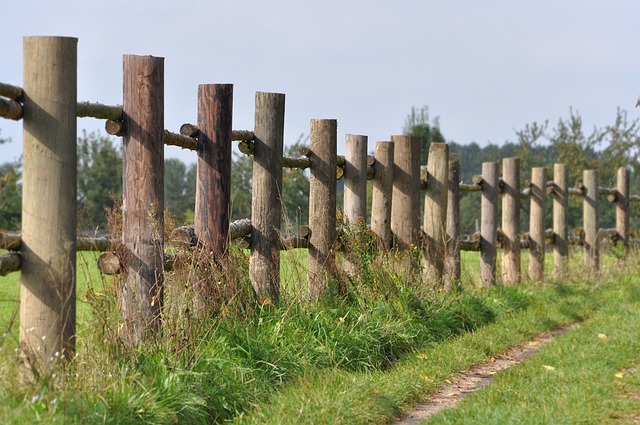
In New Bedford, MA, the push for eco-friendly living has extended to outdoor spaces, with fencing materials undergoing a green revolution. This article explores the rising trend of sustainable fencing options, highlighting their numerous benefits for both homeowners and the environment. From reduced carbon footprints to enhanced aesthetic appeal, we delve into the world of eco-friendly fencing, examining various types, local suppliers, and installation tips. Prepare to discover how these innovative materials are reshaping New Bedford’s landscape.
- Eco-Friendly Fencing Trends in New Bedford
- Benefits of Sustainable Fence Materials
- Types of Green Fencing Options
- Installation and Longevity Considerations
- Local Availability and Suppliers
- Environmental Impact: A Positive Change
Eco-Friendly Fencing Trends in New Bedford
In recent years, New Bedford has seen a growing trend towards eco-friendly fencing materials, driven by both environmental consciousness and aesthetic preferences. Locals are increasingly opting for sustainable alternatives to traditional wood or vinyl fences, such as recycled plastic, composite materials, and natural fabrics like hemp or bamboo. These choices not only reduce the carbon footprint but also offer unique visual appeal, integrating seamlessly with the city’s vibrant green spaces and coastal landscapes.
The move towards eco-friendly fencing is part of a broader movement within New Bedford to embrace sustainability in urban development. City residents are becoming more engaged in choosing products that protect local ecosystems and promote biodiversity. As such, fence materials that can break down naturally or be recycled efficiently are gaining popularity. This shift not only benefits the environment but also adds value to properties by enhancing their curb appeal and contributing to a healthier, more sustainable community.
Benefits of Sustainable Fence Materials
In New Bedford, MA, choosing eco-friendly fencing materials offers a multitude of benefits for both homeowners and the environment. These sustainable options provide an aesthetic appeal that complements any landscape while reducing environmental impact. One significant advantage is their durability; natural materials like bamboo or recycled plastic composites withstand harsh weather conditions, ensuring longevity and minimizing waste.
Additionally, these fencing solutions contribute to a greener community by promoting biodiversity and reducing carbon footprint. Many eco-friendly fences are made from rapidly renewable resources or recycled materials, lessening the demand for new resources and decreasing greenhouse gas emissions associated with traditional fence manufacturing. Such choices not only enhance the beauty of New Bedford’s landscapes but also foster a more sustainable future.
Types of Green Fencing Options
In New Bedford, MA, there are several eco-friendly fencing options available, each with its unique benefits. One popular choice is natural, organic materials like bamboo and hemp. These renewable resources not only reduce environmental impact but also offer excellent durability and aesthetics. Bamboo, in particular, is known for its rapid growth rate, making it a sustainable alternative to traditional wood fencing.
Another type of green fencing includes recycled plastic and metal. Post-consumer recycled (PCR) materials, such as PVC and HDPE, are processed into sleek, low-maintenance fence panels. These products not only divert waste from landfills but also stand up well against extreme weather conditions. Similarly, recycled metal fences provide long-lasting protection with a unique, industrial charm, contributing to the overall sustainability of New Bedford’s landscape.
Installation and Longevity Considerations
When considering eco-friendly fencing materials, it’s crucial to evaluate their installation and longevity. Many natural options, like wood or bamboo, require proper preparation and maintenance to ensure a durable barrier. This includes careful planning for the layout, choosing suitable posts and rails, and using appropriate fasteners or connectors to withstand environmental factors.
Compared to traditional fences, these green alternatives may initially cost more but often prove more cost-effective in the long run due to reduced maintenance needs and extended lifespans. Proper installation and regular care can make eco-friendly fencing a sustainable investment that enhances the aesthetics of New Bedford properties while minimizing environmental impact.
Local Availability and Suppliers
In New Bedford, MA, eco-friendly fencing materials are increasingly accessible, thanks to a growing number of local suppliers committed to sustainable practices. Residents can now choose from a variety of options, including recycled plastic, bamboo, and organic wood, all sourced locally or within a reasonable distance. These materials not only reduce the carbon footprint associated with traditional fencing but also support local businesses, fostering a circular economy that benefits both the environment and the community.
Local suppliers play a crucial role in promoting sustainable landscaping practices. They often offer products that are not only eco-friendly but also durable and low-maintenance, ensuring long-term savings for homeowners. Additionally, these suppliers can provide expert advice tailored to the region’s climate and soil conditions, helping property owners make informed decisions that enhance both their yards and the local ecosystem.
Environmental Impact: A Positive Change
In an era where environmental consciousness is rising, the choice of fencing materials can make a significant difference. Traditional fencing often relies on non-sustainable resources, contributing to deforestation and ecological disruption. However, there’s a growing trend towards eco-friendly alternatives that offer a positive change for our planet. These innovative materials are not only kind to the environment but also enhance the aesthetic appeal of any outdoor space in New Bedford, MA.
By opting for eco-friendly fencing options, residents can reduce their carbon footprint and support biodiversity. Materials like recycled plastic, bamboo, or plant-based composites are durable, low-maintenance, and free from harmful chemicals. This shift towards sustainability promotes a healthier local ecosystem while ensuring these fences stand the test of time, providing both functional and aesthetic benefits for years to come.